

The Lens
I hold the Enneagram as more than a system of personality.
The Lens
For me, the Enneagram is a map of the way we organize around longing, adaptation, and the search for something essential. The patterns of each type are not only traits. They live in the body, shape our relationships, and carry familiar ways of perceiving, protecting, reaching, and making meaning.
My work with the Enneagram is both somatic and archetypal. I am interested in the felt life of these patterns, the deeper qualities they long for, and the ways those qualities can become more directly available in the body.
Pattern and longing
Within each Enneagram pattern, I see a specific longing for the felt sense of something archetypal, such as safety, connection, freedom, worth, support, or love.
Over time, we develop familiar ways of seeking that experience. These strategies become automatic, shaping what we recognize as type.
At the root of the pattern is a felt sense of something essential that seems missing. I am most interested in how that felt sense can be cultivated more directly in the body, so the system no longer has to work so hard to find it.
Essence
In my work, essence is not an abstract spiritual ideal or merely a positive trait.
It refers to qualities of being that can be directly sensed as nourishment in the body. These qualities are archetypal in that they are universal and available to everyone, though each type has a particular relationship to them.
Each pattern searches for essence through strategy, effort, control, or protection. I am interested in how that search can be softened by cultivating essence more directly as a felt sense in the body.

The body
The Enneagram becomes more meaningful when it is not only understood, but also felt.
Patterns of type show up in attention, tension, emotion, posture, pacing, impulse, protection, and contact. The body reveals how a pattern contracts, braces, reaches, organizes, and at times settles.
When experience becomes more direct and embodied, something more fundamental can begin to shift.
Why this matters
When the underlying longing of a pattern is met more directly, you no longer need to rely so heavily on automatic strategies.
This does not erase our history, our wounds, or the parts of us that still need care. But it can soften the compulsion of the pattern and open space for more support, more choice, more relationship, and more fulfillment.
For me, this is where the Enneagram becomes most alive: not only as a map of personality, but as a path of embodiment.
How I hold this work
I do not see the goal of the Enneagram as becoming a better version of a type.
I see it as deepening our relationship to pattern, essence, and the realities of being human.
For me, this includes:
honoring the intelligence of personality
listening to the wounds and adaptations that shaped it
recognizing the deeper longing beneath it
cultivating the felt sense of what has seemed missing
allowing the body to become part of the healing process
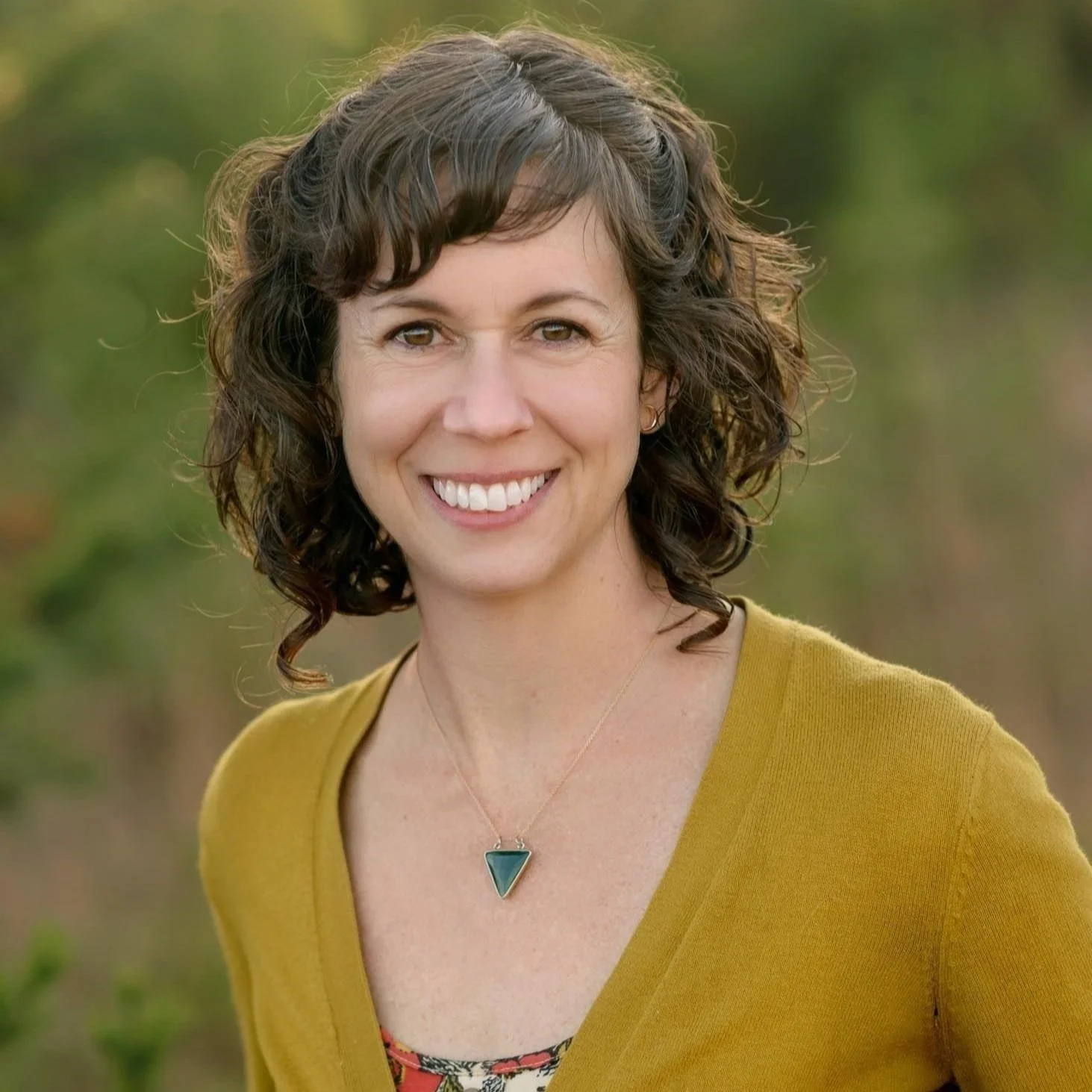
Tammy Hendrix, LCSW is a therapist, writer, and Enneagram teacher whose work integrates somatic practice, clinical insight, and archetypal approaches to the nine types.
Shaped by over two decades of experience, her perspective brings the Enneagram into deeper contact with the body, lived experience, and the realities of human transformation.